
Repurposed Aircraft Parts
Aerocycle
Giving Aircraft Materials a Second Purpose
Aerocycle provides responsibly recovered, decommissioned aircraft parts, delivering sustainable alternatives for training, research, and creative industries. By repurposing aircraft components, Aerocycle extends the lifecycle and value of aviation materials well beyond their original use, transforming them into practical, high-quality solutions for new applications.
Sourced from out-of-service and decommissioned aircraft, these parts are made available for alternative, non-aviation applications that support sustainability, innovation, and the circular economy.
This service is clearly distinct from certified aviation parts reuse. Repurposed aircraft parts are not intended for reinstallation on aircraft and are designated exclusively for non-aviation uses.
Components, structures, and materials
What Are Repurposed Aircraft Parts?
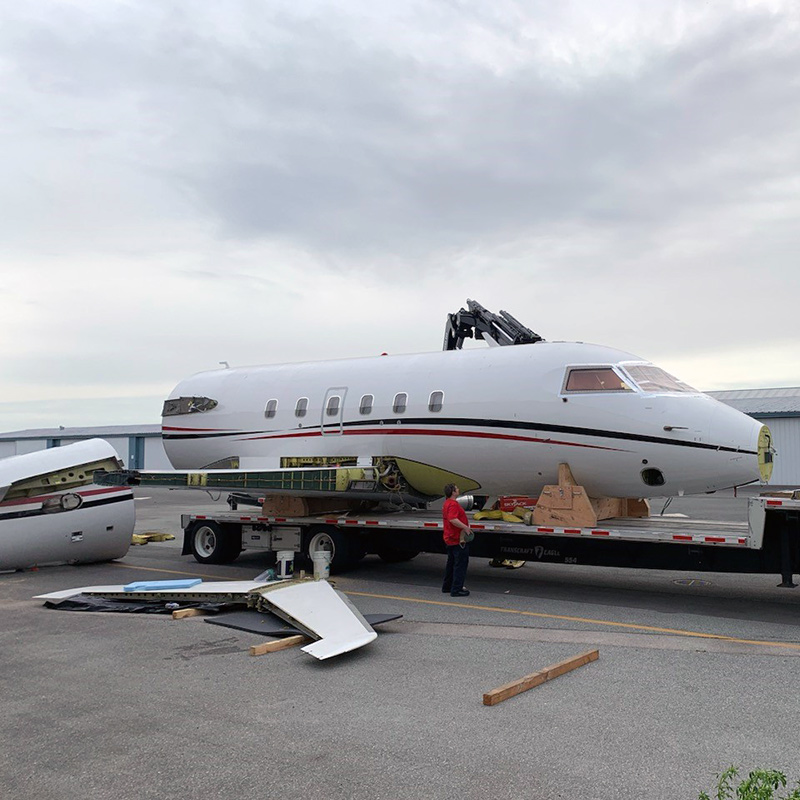
Repurposed aircraft parts include components, structures, and materials recovered from aircraft that are no longer in service and redirected toward alternative applications. These materials may include interior components, structural elements, metals, composites, and other aircraft-derived materials suitable for reuse outside the aviation supply chain.
By clearly defining new purposes for these materials, Aerocycle helps prevent waste while maintaining clear boundaries between regulated aviation reuse and non-aviation applications.

Documented procedures
Sourced Through Controlled Aircraft Disassembly
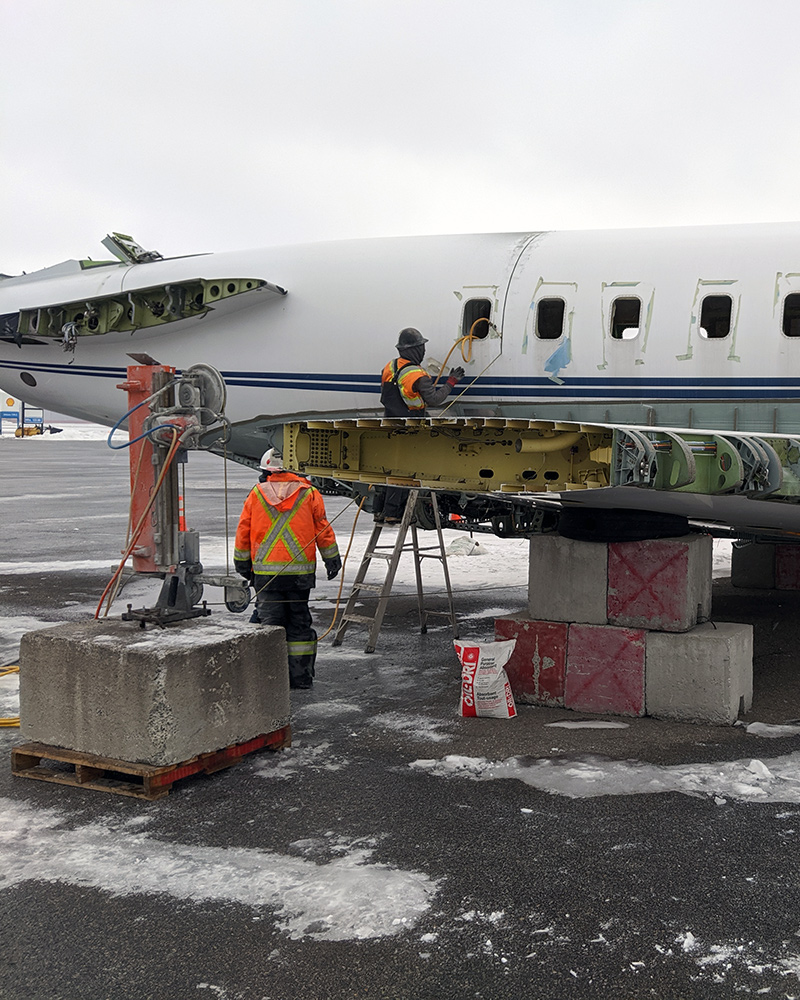
All repurposed aircraft parts are sourced through Aerocycle’s controlled aircraft disassembly activities. Recovery is performed using documented procedures that ensure materials are identified, handled, and separated responsibly.
While these materials are not certified for aviation reuse, Aerocycle’s structured processes reflect the same discipline applied across its regulated operations, ensuring consistency, traceability, and responsible material management.
Alternative uses of aircraft materials
Applications Beyond Aviation
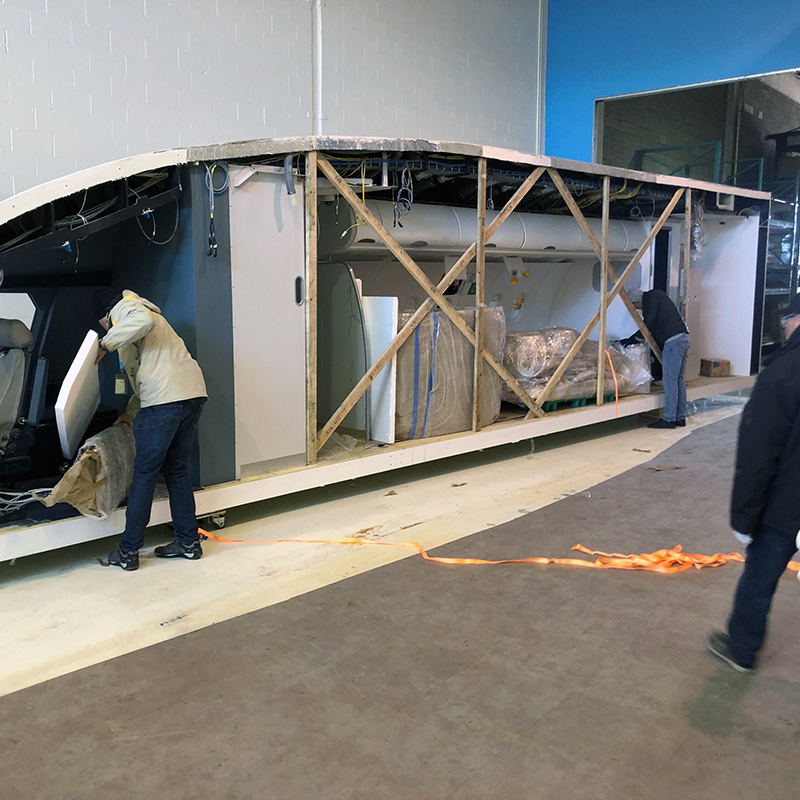
Repurposed aircraft parts support a wide range of non-aviation uses, including:
- Training and educational programs
- Research, testing, and academic projects
- Museums, exhibitions, and cultural institutions
- Film, television, and creative industries
- Industrial, architectural, and design applications
These alternative uses allow aircraft materials to remain valuable resources while supporting innovation across multiple sectors.
Aerocycle’s commitment to sustainability
Supporting a Circular Aviation Economy
By redirecting aircraft materials toward alternative applications, Aerocycle contributes to a more circular aviation economy. Repurposing reduces waste, lowers demand for raw materials, and extends the useful life of complex, high-quality components.
This approach aligns with Aerocycle’s broader commitment to sustainability, environmental responsibility, and the development of practical solutions that balance operational needs with environmental considerations.

From Interior Components to Structural Materials
Types of Decommissioned Aircraft Parts Available
Aerocycle’s inventory includes a wide variety of aircraft parts and aircraft materials, recovered from multiple aircraft models and configurations:
- Interior Components: Seats, bins, galley units, control panels, and cockpit shells
- Structural Elements: Fuselage panels, wings, access doors, and window assemblies
- Mechanical Assemblies: Engines, actuators, and landing gear segments
- Materials: Aluminum, titanium, composite, and polymer elements for testing or reuse
- Creative & Display Pieces: Tail fins, logos, and decorative panels for exhibits or media production
Availability varies based on ongoing dismantling projects. All components have been processed to meet the regulatory requirements for decommissioned non-airworthy material.
Explore related operations on the Disassembly and Certified Aircraft Parts Scrapping pages.
Photo Gallery
Recovered Aircraft Parts
We offer a wide variety of aircraft components and aviation equipment, including interior sections, structural components, and display-ready materials. Here are a few examples of recovered aircraft parts currently in inventory.
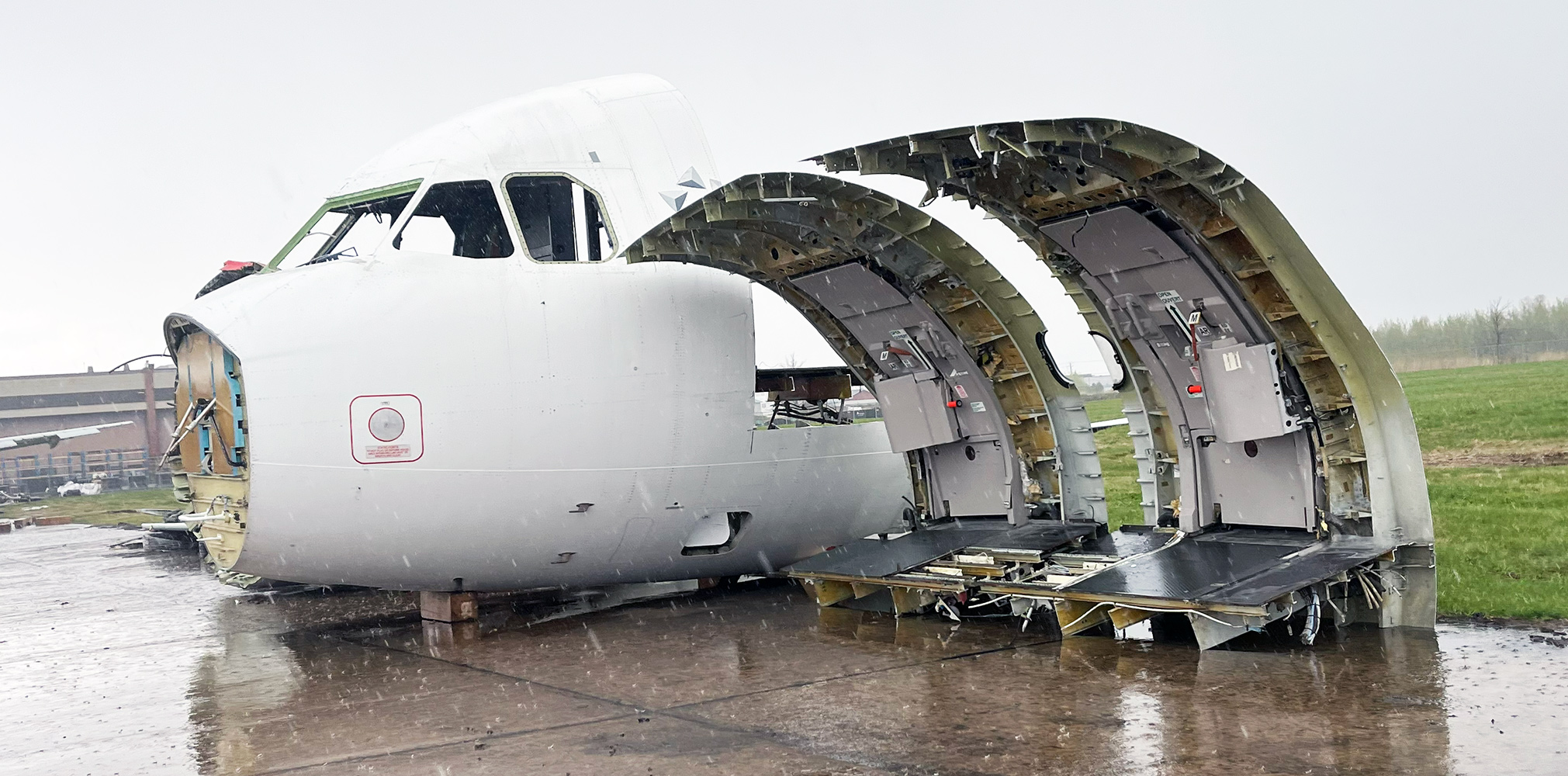
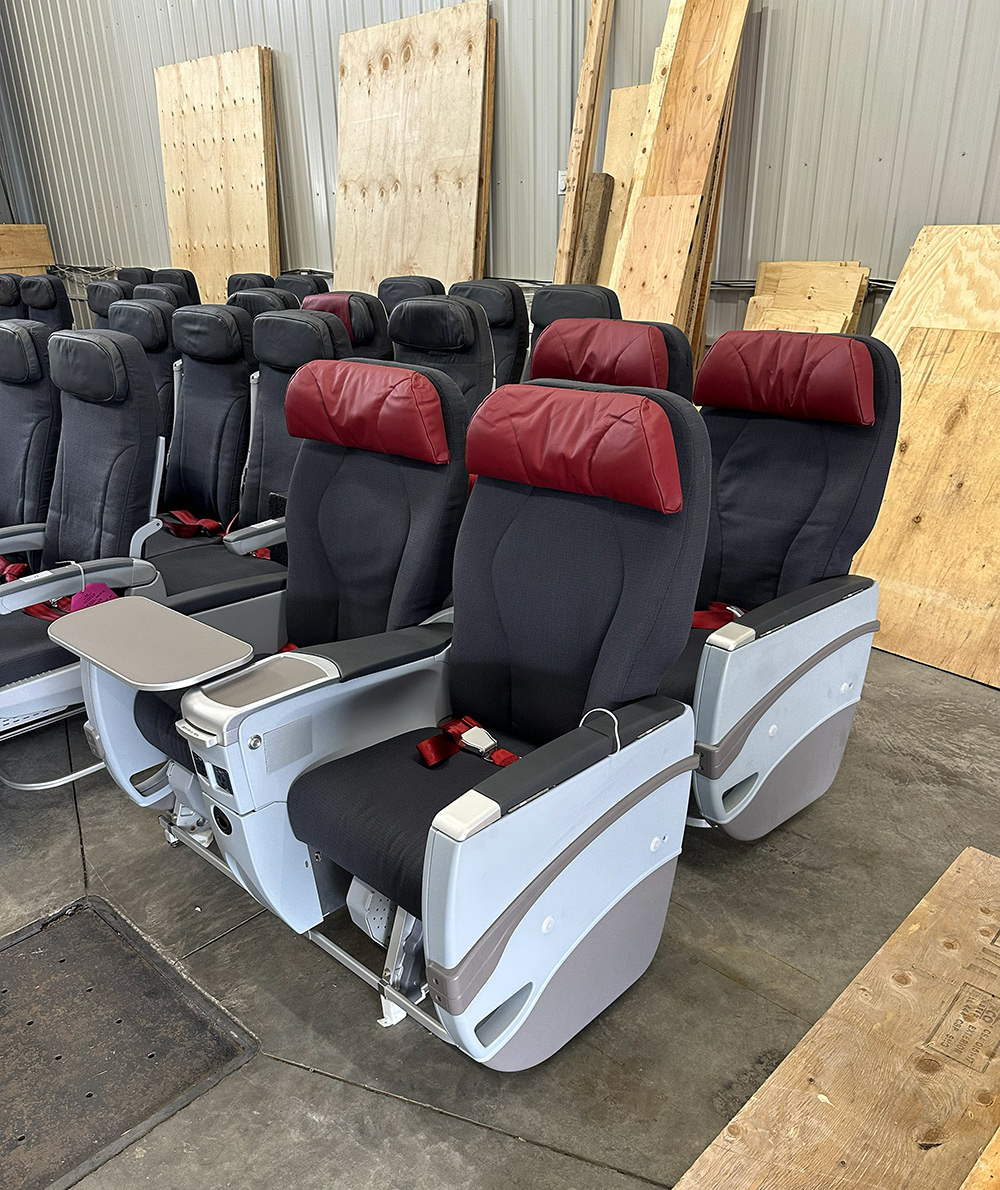
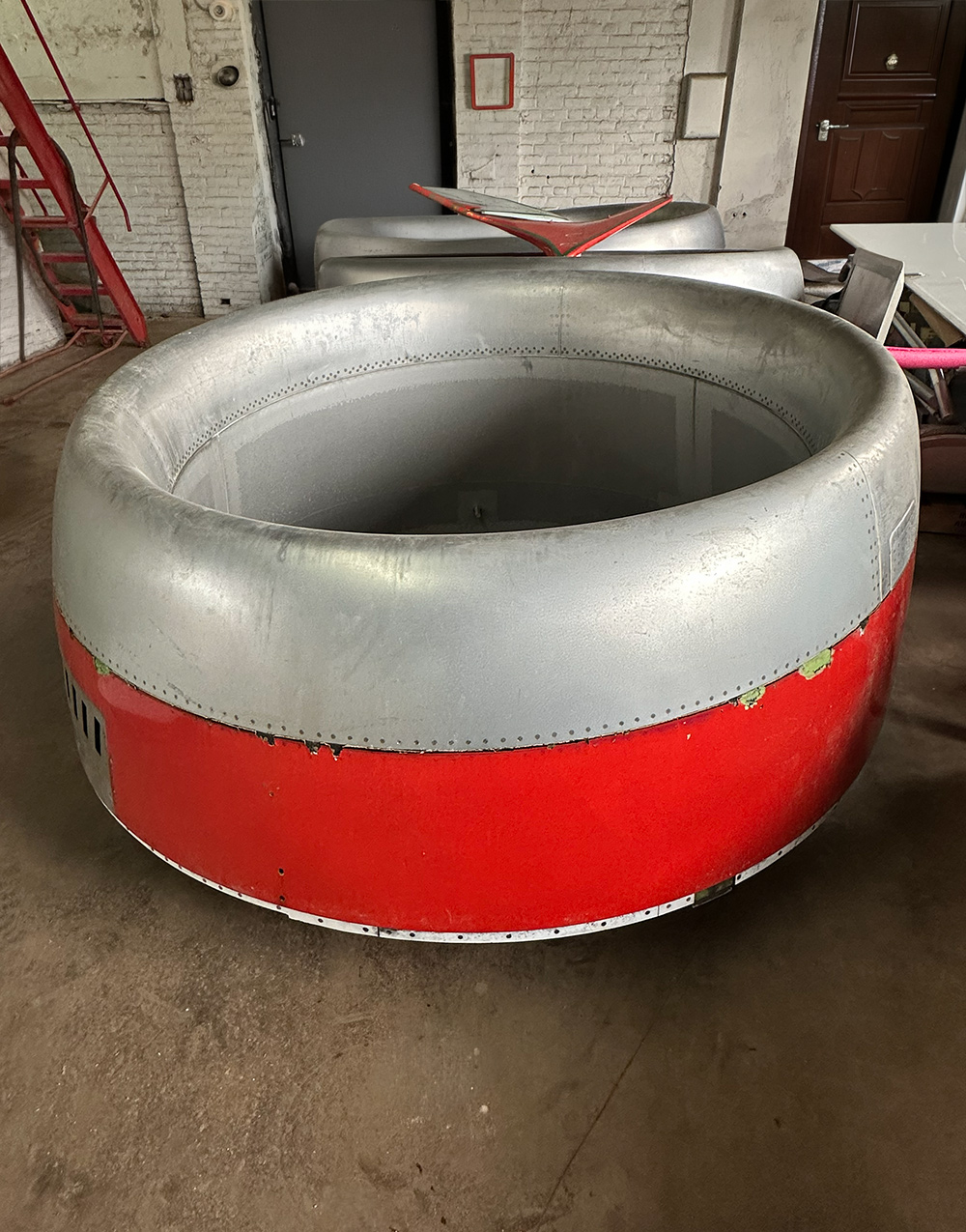
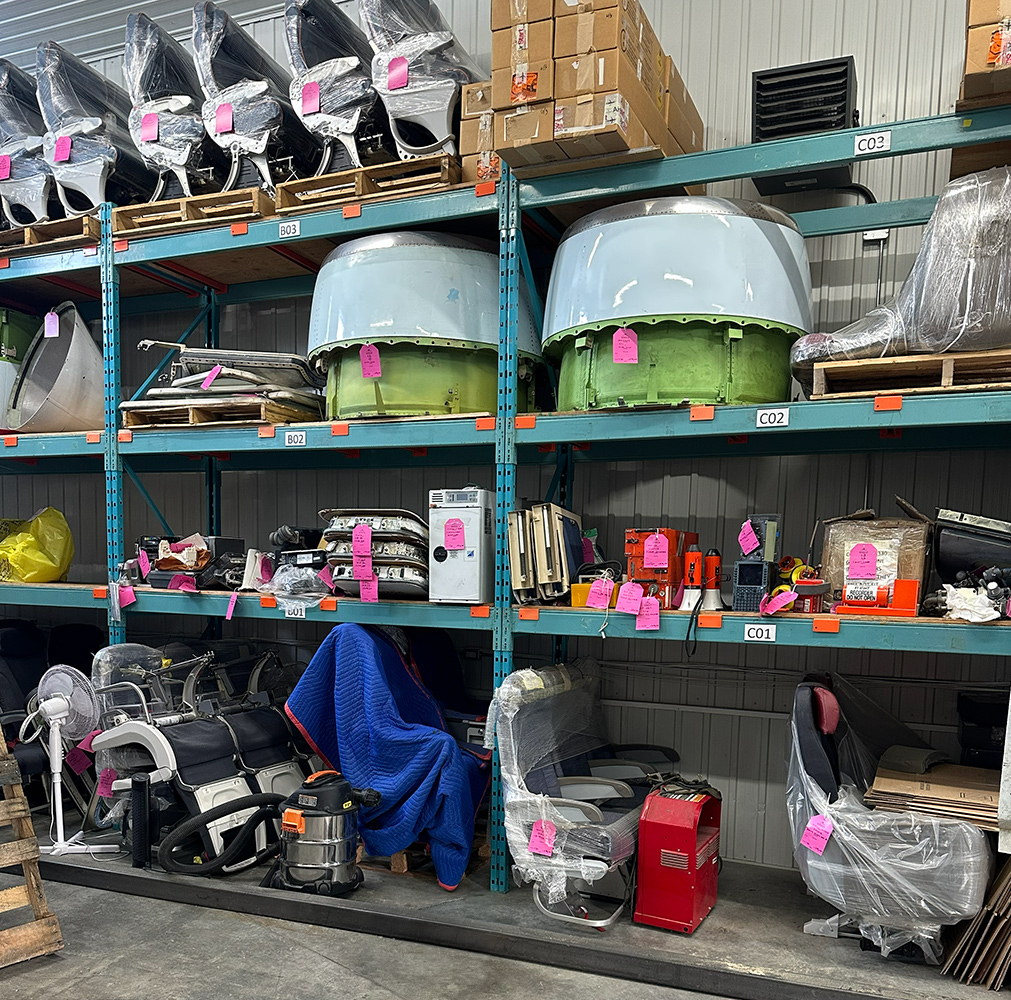
Parts are clearly identified
Responsible Reuse, Clear Boundaries
Aerocycle maintains strict boundaries between regulated aviation activities and non-aviation reuse. Repurposed aircraft parts are clearly identified, documented, and designated for approved alternative uses, ensuring transparency and preventing unintended re-entry into the aviation supply chain.
For more information
Explore Responsible Aircraft Material Reuse
Looking for recovered aircraft parts or sustainable materials for training, research, or creative use?
Our team can provide details on available materials or collaborate on custom recovery projects. We can also assist in the design and fabrication of training simulators, such as overwing exit with slides, and passenger doors.
FAQ
Repurposed Aircraft Parts
Are repurposed aircraft parts certified for aviation use?
No. Repurposed aircraft parts are not intended for aviation reinstallation. They are designated exclusively for non-aviation applications and are clearly identified and documented to prevent re-entry into the aviation supply chain.
Where do repurposed aircraft parts come from?
Repurposed aircraft parts are sourced from out-of-service and decommissioned aircraft through Aerocycle’s controlled disassembly activities. Materials are recovered using documented processes that ensure responsible handling and transparency.
What types of organizations use repurposed aircraft parts?
Repurposed aircraft parts are commonly used by educational institutions, research organizations, museums, creative industries, and industrial partners seeking sustainable materials for non-aviation purposes.
How does Aerocycle ensure responsible reuse?
Aerocycle applies clear material designation, documentation, and handling procedures to ensure repurposed aircraft parts are used only for approved alternative applications. This approach supports sustainability while maintaining strict separation from regulated aviation reuse.
Can organizations request specific aircraft components?
Yes! Aerocycle can assist organizations looking for specific materials or structures recovered from aircraft. Availability depends on ongoing dismantling projects and inventory at the time of request.